
On 1st February 2026, at the historic Cross Maidan Gardens, Mumbai, I had the honour of presenting Beyond Borders at one of India’s most revered cultural platforms, the Kala Ghoda Arts Festival. Kala Ghoda is not just a festival. It is a living, breathing ecosystem of ideas, histories, risks, and artistic courage. To perform here...
Beyond Borders at Kala Ghoda Arts Festival 2026: Where Flamenco Met Qawaali in the Heart of Mumbai
February 6, 20260
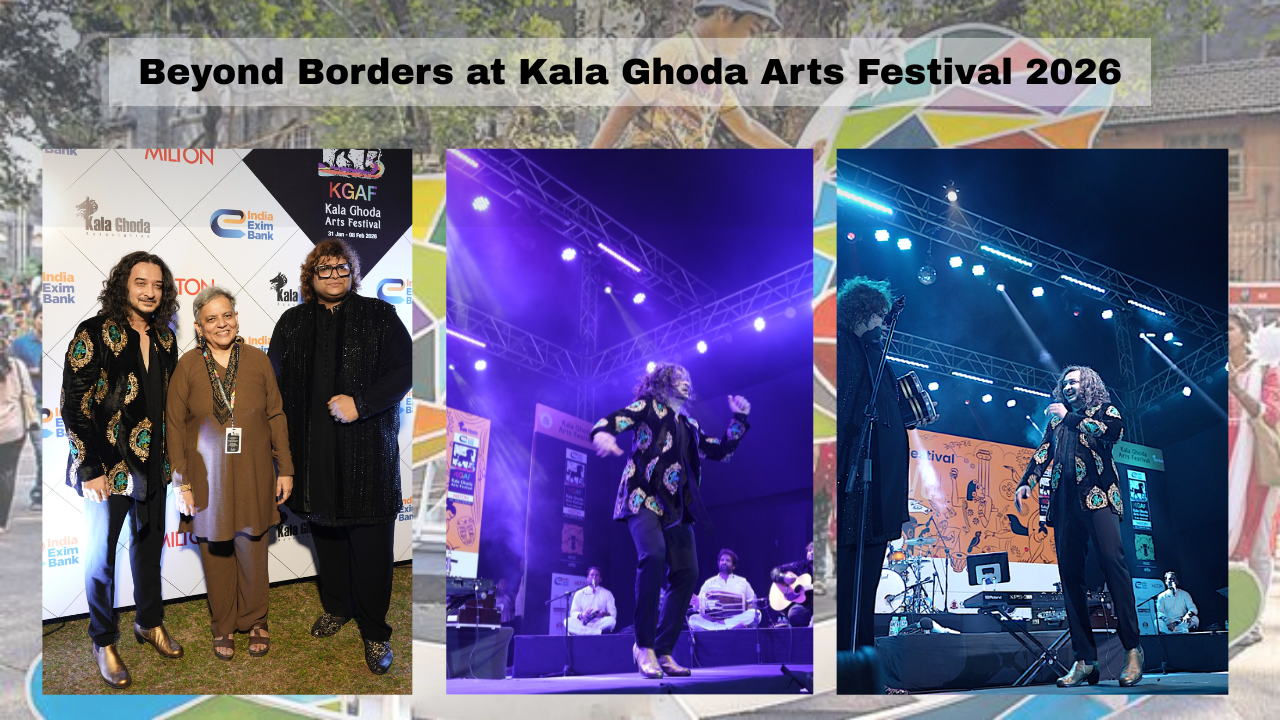
On 1st February 2026, at the historic Cross Maidan Gardens, Mumbai, I had the honour of presenting Beyond Borders at one of India’s most revered cultural platforms, the Kala Ghoda Arts Festival.
Kala Ghoda is not just a festival. It is a living, breathing ecosystem of ideas, histories, risks, and artistic courage. To perform here is more than a professional milestone; it is an affirmation of an artist’s journey, voice, and intent. Standing on that stage, I felt the weight of legacy and the openness of possibility, a rare and powerful combination.
Kala Ghoda Arts Festival: A Cultural Landmark in India
For over two decades, the Kala Ghoda Arts Festival (KGAF) has stood at the crossroads of tradition and innovation. Held annually in Mumbai, the festival brings together visual arts, literature, theatre, dance, music, and public discourse, making it one of the most significant multidisciplinary arts festivals in Asia.
What sets Kala Ghoda apart is its ethos. The festival does not shy away from complexity. It encourages dialogue across cultures, disciplines, and ideologies. It gives artists the rare freedom to experiment while remaining deeply rooted in authenticity.
At its core, Kala Ghoda champions:
- Artistic risk
- Cultural exchange
- Inclusivity and accessibility
- Meaningful engagement between artists and audiences
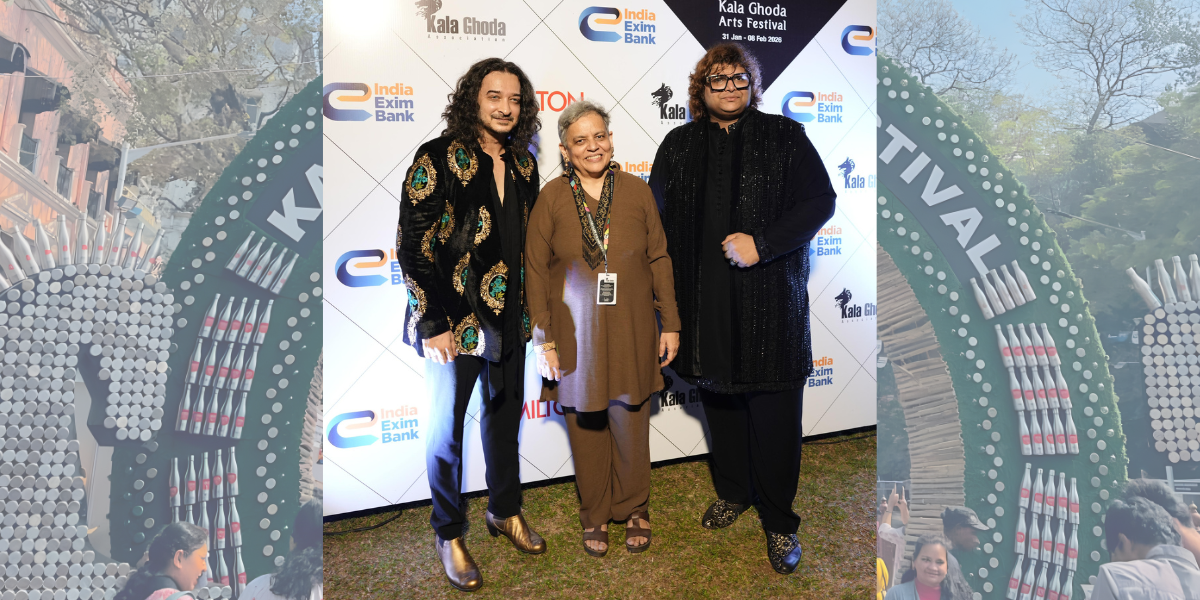
This philosophy is reflected in the leadership that shapes the festival. Under the direction of Ms. Brinda Miller, directed by Ms. Brinda Miller, Kala Ghoda has continued to evolve while staying true to its founding values.. Her unwavering commitment to artistic integrity and thoughtful curation has ensured that the festival remains both relevant and respected.
Equally instrumental are the festival’s music curators, Ms. Nayaab Udhas and Mr. Anuj Bajaj, whose sensitivity and vision create spaces where music becomes conversation rather than performance alone. Their curation ensures that every act is not merely programmed, but contextualised, allowing audiences to truly listen.
Beyond Borders: A Meeting of Two Ancient Musical Worlds
Beyond Borders was born from a simple yet profound question:
What happens when two traditions, separated by geography but united by emotion, meet?
This collaboration brought together two ancient art forms:
- The devotional ecstasy of Qawaali
- The raw, passionate fire of Flamenco from Spain
Both traditions are centuries old. Both emerge from lived histories of longing, faith, resistance, and transcendence. And both speak directly to the soul, often beyond the limitations of language.
Rather than forcing a superficial fusion, Beyond Borders allowed each tradition to remain fully itself. The intention was not to blend for novelty, but to listen, to create a dialogue through rhythm, melody, voice, and movement.
In this space, Qawaali did not become Flamenco, and Flamenco did not become Qawaali. Instead, they stood side by side, conversing through shared emotional truths.
Mujtaba Aziz Naza: Carrying a Legendary Legacy Forward
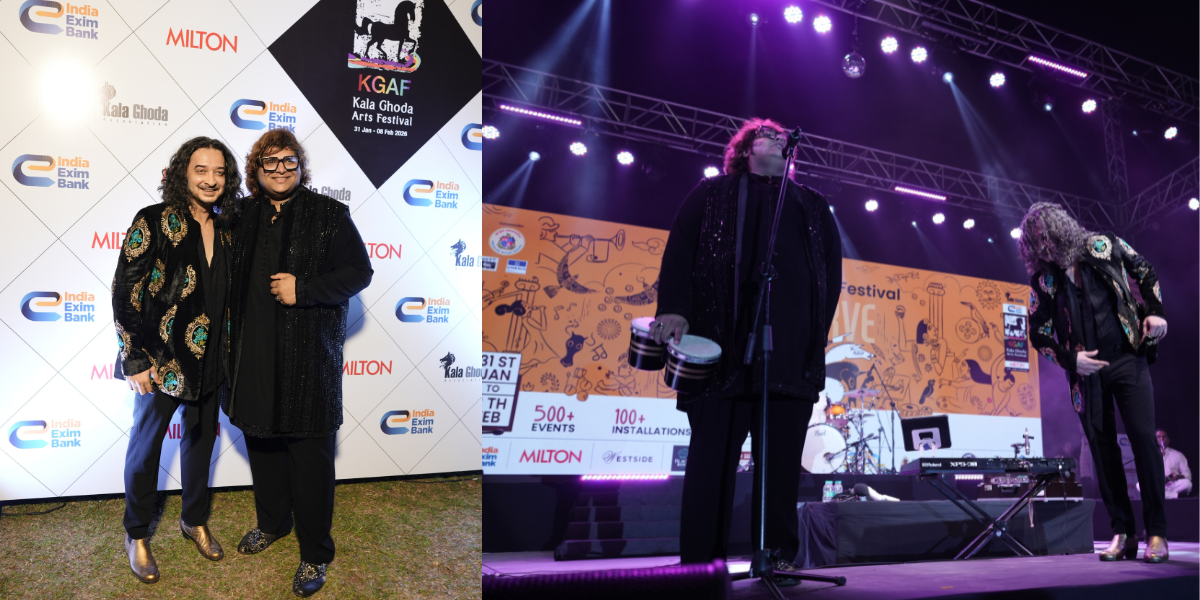
It was a privilege to collaborate with Mujtaba Aziz Naza, a dear friend, a remarkable Qawaal, and the son of the legendary Aziz Naza.
Aziz Naza’s iconic compositions, Jhoom Barabar Jhoom Sharabi and Chadhta Sooraj Dhere Dhere, left an indelible mark on Indian cinema and popular culture. His voice carried both rebellion and devotion, and that lineage lives on through Mujtaba.
Mujtaba has carried this rich legacy forward with humility, depth, and sincerity. His powerful, soul-stirring voice has featured in films such as:
- Bajirao Mastani
- Padmaavat
- Indu Sarkar
as well as the acclaimed web series Bambai Meri Jaan.
On stage at Kala Ghoda, his presence anchored the performance in the timeless essence of Qawaali. He brought spiritual intensity, emotional gravity, and a lived understanding of devotion that cannot be taught, only inherited and earned.
My Journey with Flamenco: From Spain to Mumbai
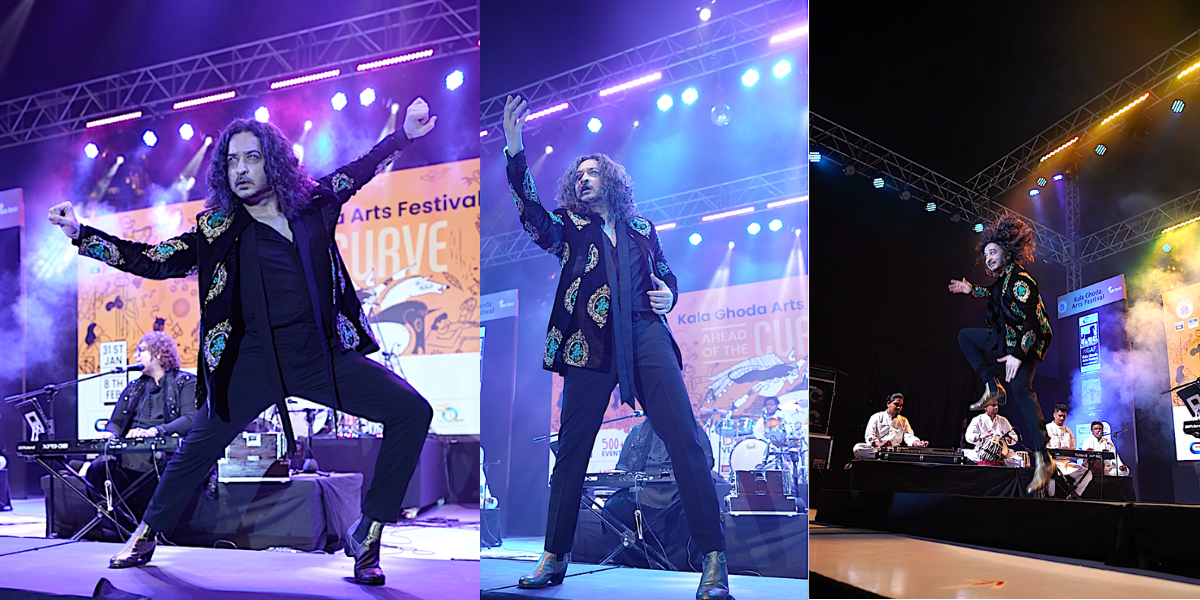
As a Flamenco artist based in Mumbai, my own journey has unfolded over more than 25 years in the performing arts. It has been shaped by global exposure, rigorous training, and deep cultural immersion.
My relationship with Flamenco has taken me to Andalucía and Madrid, where I trained and performed with some of Spain’s most revered Flamenco families and institutions. These experiences taught me that Flamenco is not merely a dance form, it is a way of life.
Flamenco, much like Qawaali, is born from lived experience:
- Pain and loss
- Celebration and survival
- Resistance and devotion
Both forms emerge from communities that have used art as a means of expression, remembrance, and transcendence. Bringing Flamenco into conversation with Qawaali felt not only natural, but necessary, especially in a world increasingly divided by borders of identity and ideology.
A Collective Offering at Kala Ghoda
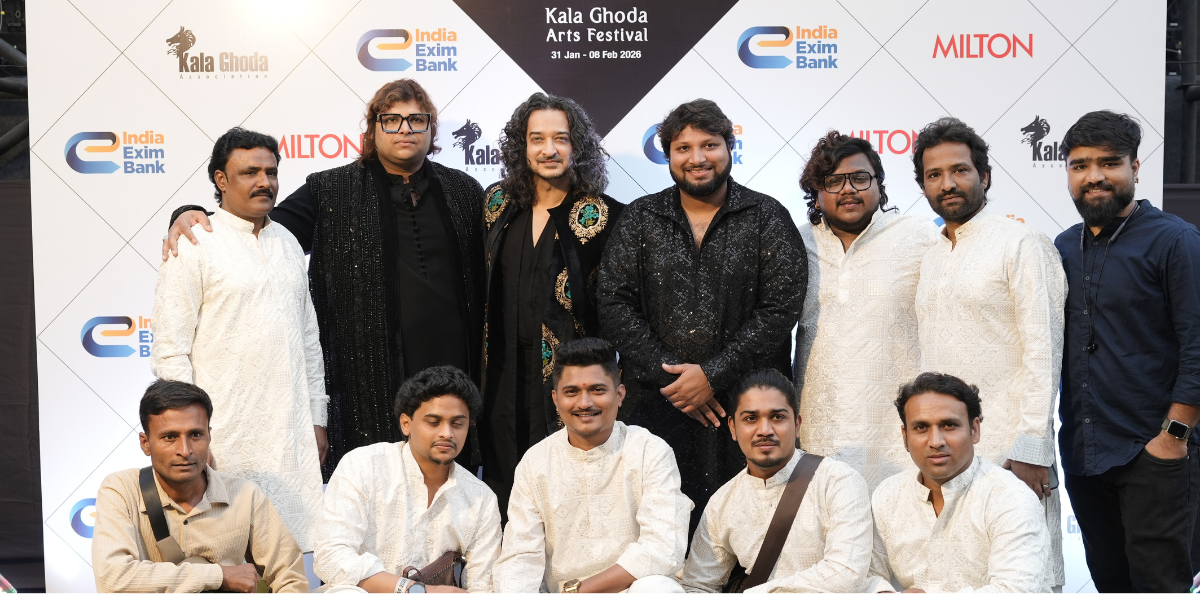
Beyond Borders was never meant to be a solo statement. It was a collective offering shaped by musicians who listened as deeply as they played.
At the Kala Ghoda Arts Festival, the audience became part of the performance. Their stillness, their attention, and their emotional presence completed the circle. In those moments, rhythm became language, movement became prayer, and silence carried meaning.
Beyond Borders as Living Dialogue
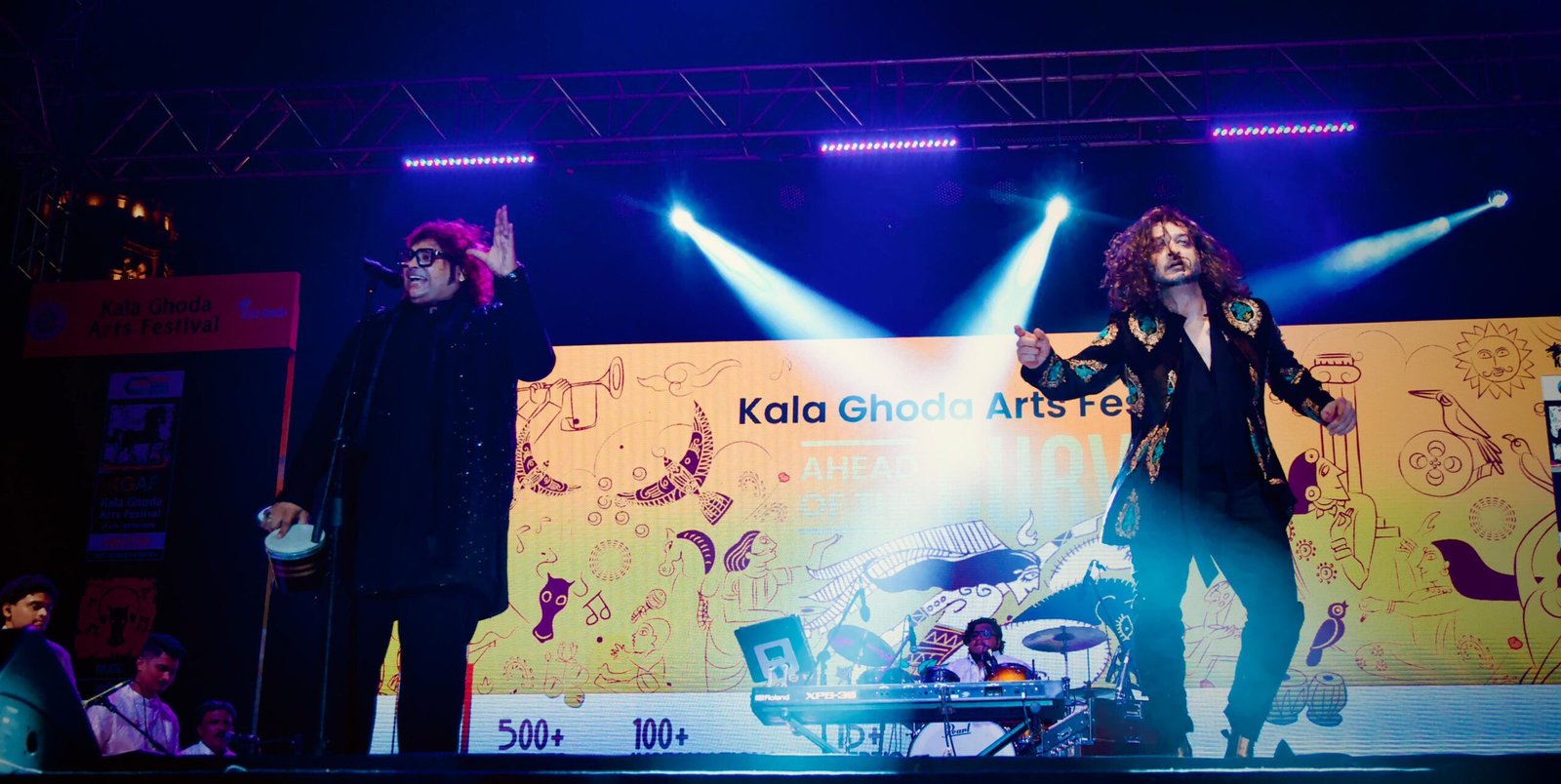
On stage, Beyond Borders unfolded as a living dialogue. Rhythm became language. Movement became prayer. Silence carried as much meaning as sound.
This was not a solo statement. It was a collective offering shaped by an ensemble of extraordinary musicians, each listening deeply to the other. The audience, diverse, attentive, and emotionally present, became an integral part of the performance.
At Kala Ghoda, the energy was palpable. You could feel the audience leaning in, not just watching but witnessing. In those moments, borders dissolved, not just between art forms, but between performer and listener.
Cinema, Storytelling, and Movement
My exploration of storytelling through movement also extends into cinema. I am currently working as a choreographer and creative consultant for Vishal Bhardwaj’s forthcoming film O Romeo.
The film stars Shahid Kapoor, Tripti Dimri, Avinash Tiwary, Nana Patekar, among others. This project continues my ongoing dialogue between traditional art forms and contemporary narratives, allowing movement to speak where words often fall short.
Why Platforms Like Kala Ghoda Matter
In a time when art is often rushed, packaged, or reduced to spectacle, platforms like the Kala Ghoda Arts Festival remind us of the importance of depth, context, and community.
They give artists:
- The courage to experiment
- The freedom to stay rooted
- The space to fail, evolve, and grow
Kala Ghoda does not demand conformity. It invites authenticity. And in doing so, it creates moments of genuine connection, between past and present, tradition and innovation, artist and audience.
A Reaffirmation of Why We Create
Performing Beyond Borders at Kala Ghoda Arts Festival 2026 was not just a performance.
It was a reaffirmation of why we create art in the first place:
- To connect
- To remember
- To listen
- And ultimately, to transcend borders, both external and within
In a world that often insists on separation, art reminds us of our shared humanity. And on that evening at Cross Maidan Gardens, Flamenco and Qawaali stood together, not as strangers, but as long-lost companions.
Conclusion: Beyond Borders, Beyond the Stage
Presenting Beyond Borders at the Kala Ghoda Arts Festival 2026 was more than a performance, it was a moment of listening, recognition, and shared humanity. On a stage known for honouring both tradition and experimentation, Flamenco and Qawaali came together not to blend, but to converse.
The Kala Ghoda Festival has always been a space where art is allowed to breathe, question, and transform. To be part of this legacy is a reminder of why platforms like these matter, they protect artistic depth in a world that often moves too fast to feel.